Alfa Romeo Maintenance Schedule Explained for Georgia Driving Conditions

Alfa Romeo Maintenance Schedule

Alfa Romeo Maintenance Schedule

Alfa Romeo vehicles are engineered for performance, balance, and responsiveness. While the factory maintenance schedule provides a solid baseline, real-world driving conditions in Georgia can place additional demands on these vehicles. Heat, humidity, traffic patterns, and road surfaces all play a role in how often certain services should be evaluated.

At Automotive Dynamics in Woodstock, GA, we help Alfa Romeo owners adapt factory maintenance guidelines to local conditions, helping protect performance and long-term reliability.

Why Georgia Driving Conditions Matter for Alfa Romeo Maintenance

Manufacturer maintenance schedules are designed to cover a wide range of climates and driving styles. However, Georgia drivers face specific challenges that can affect service intervals:

  • Extended periods of high temperatures

  • High humidity levels

  • Stop-and-go traffic in metro and suburban areas

  • Seasonal road debris and uneven pavement

For Alfa Romeo vehicles, which rely on precise tolerances and advanced electronics, these factors can accelerate wear on fluids, suspension components, and cooling systems.

Oil Service and Engine Protection

Modern Alfa Romeo engines are designed to operate at higher temperatures and tighter tolerances than many vehicles. While factory oil change intervals may appear extended, real-world conditions often suggest more frequent inspection.

In Georgia, we commonly recommend:

  • Monitoring oil condition more closely during summer months

  • Using manufacturer-approved oil formulations

  • Inspecting for oil consumption changes between services

Short trips, heavy traffic, and high ambient temperatures can all contribute to faster oil breakdown. Regular oil service plays a key role in protecting turbocharged components and internal engine parts.

Cooling System Maintenance in a Hot Climate

Cooling systems are one of the most critical maintenance areas for Alfa Romeo vehicles in Georgia. Heat places continuous stress on hoses, seals, thermostats, and electronic cooling fans.

Routine cooling system maintenance includes:

  • Coolant level and condition checks

  • Inspection for leaks or pressure loss

  • Thermostat and fan operation testing

Addressing cooling concerns early helps reduce the risk of overheating and related engine damage, especially during peak summer driving.

Brake Service and Inspection Frequency

Alfa Romeo braking systems are designed for strong, consistent stopping power. However, traffic congestion and frequent braking can increase wear rates.

Georgia drivers should expect:

  • More frequent brake inspections in stop-and-go conditions

  • Earlier detection of uneven pad or rotor wear

  • Periodic evaluation of electronic brake system components

Brake inspections help identify issues before they affect performance or safety, especially in vehicles equipped with advanced stability and traction control systems.

Suspension and Steering Checks for Local Roads

North Georgia roads vary widely in surface quality. Potholes, uneven pavement, and elevation changes can place added stress on suspension and steering components.

Key maintenance considerations include:

  • Periodic suspension inspections

  • Monitoring for alignment changes or tire wear

  • Evaluating bushings, control arms, and steering components

These checks help preserve the precise handling characteristics Alfa Romeo vehicles are known for.

Transmission and Drivetrain Maintenance

Alfa Romeo transmissions depend on proper fluid condition and electronic calibration. Heat and traffic can accelerate fluid degradation, even if the manufacturer lists extended service intervals.

Best practices include:

  • Routine transmission inspections

  • Fluid condition assessments

  • Addressing shifting concerns early

Preventive evaluation often helps avoid more complex drivetrain repairs later.

Electrical System Health and Software Updates

Alfa Romeo vehicles use a network of control modules that rely on stable voltage and accurate sensor data. Battery health, charging systems, and software updates all play a role in system reliability.

Maintenance-related electrical checks include:

  • Battery testing

  • Charging system inspection

  • Diagnostic scans during service visits

Proactive electrical evaluations help reduce unexpected warning lights and system faults.

Adjusting Factory Maintenance to Real-World Use

Not all drivers use their Alfa Romeo the same way. Some drive primarily in town, while others commute longer distances or enjoy spirited driving. Maintenance schedules should reflect how the vehicle is actually driven.

At Automotive Dynamics, we evaluate:

  • Driving habits

  • Mileage patterns

  • Environmental exposure

This allows us to recommend service intervals that make sense for each individual vehicle.

Alfa Romeo Maintenance in Woodstock, GA

Automotive Dynamics provides professional Alfa Romeo maintenance and inspection services for drivers in Woodstock and surrounding areas. Our European-trained technicians use proper diagnostic equipment and manufacturer-approved service procedures to keep your vehicle performing as intended.

Routine maintenance is one of the most effective ways to protect your investment and maintain the driving experience Alfa Romeo vehicles are known for.

If you have questions about your vehicle’s maintenance needs or would like to schedule service, contact Automotive Dynamics today and trust your vehicle to specialists who understand Alfa Romeo engineering.

Frequently Asked Questions About Alfa Romeo Maintenance


How often should I service my Alfa Romeo in Georgia?

Service intervals depend on driving habits and conditions. Georgia heat and traffic often justify more frequent inspections than factory minimums.

Does hot weather affect Alfa Romeo maintenance schedules?

Yes. High temperatures can accelerate fluid breakdown and place additional stress on cooling and engine components.

Are factory maintenance schedules enough?

Factory schedules are a starting point. Real-world driving conditions may require adjustments to protect long-term reliability.

Do Alfa Romeo vehicles need specialized maintenance?

Yes. Alfa Romeo systems require manufacturer-specific diagnostics and service procedures for accurate maintenance.

Can independent shops service Alfa Romeo vehicles?

Independent shops with European-trained technicians and proper diagnostic tools can provide professional Alfa Romeo service outside the dealership.

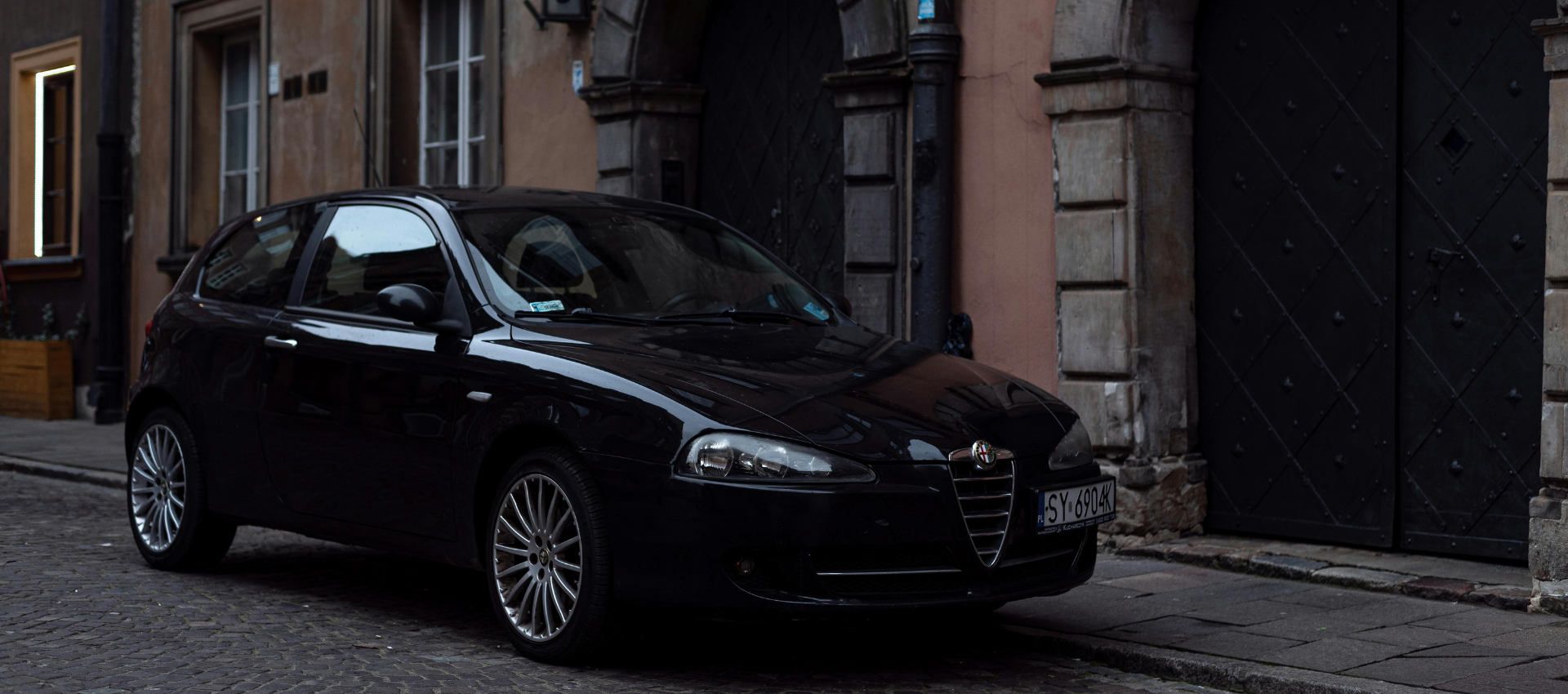
Common Alfa Romeo Problems We See in Woodstock Drivers

Alfa Romeo Repair Services

Alfa Romeo Repair Services

Alfa Romeo vehicles offer sharp handling, responsive power delivery, and a driving experience that feels different from most cars on the road. That same engineering focus, however, means these vehicles rely on specialized systems that must be serviced correctly. At Automotive Dynamics in Woodstock, GA, we regularly work with Alfa Romeo owners who come to us after noticing warning lights, handling concerns, or changes in performance.

This article breaks down the most common Alfa Romeo issues we see locally, why they occur, and why proper diagnostics matter when it comes time for repair.

Electrical System Faults and Warning Lights

One of the most frequent concerns Alfa Romeo drivers report is an unexpected dashboard warning. Alfa Romeo vehicles use an extensive network of sensors and control modules. When even a minor fault occurs, the system is designed to alert the driver quickly.

Common electrical-related complaints include:

  • Check engine light activation

  • Stability control or traction control warnings

  • Intermittent sensor alerts that appear and disappear

  • Battery or charging system messages

In many cases, these warnings are not caused by a single failed component. Voltage fluctuations, software-related issues, or failing sensors can trigger multiple alerts at once. This is why scanning a code alone is rarely enough. Accurate diagnosis requires factory-level diagnostic equipment and experience interpreting how Alfa Romeo systems communicate with each other.

Suspension and Steering Wear on North Georgia Roads

Alfa Romeo vehicles are engineered with tight suspension tolerances to support precise handling. While this design delivers excellent road feel, it can also make suspension components more sensitive to wear—especially on uneven or rough pavement.

In Woodstock and surrounding North Georgia areas, we often see:

  • Premature control arm bushing wear

  • Suspension noise over bumps

  • Steering looseness or vibration

  • Uneven tire wear

These issues can develop gradually and may not always trigger a warning light. Ignoring early suspension symptoms can lead to alignment problems and reduced handling performance. Regular inspections are key, especially for drivers who spend time on back roads or encounter frequent elevation changes.

Turbocharger-Related Performance Issues

Many modern Alfa Romeo models use turbocharged engines to balance power and efficiency. Turbo systems operate under high heat and pressure, which means proper maintenance is critical.

Common turbo-related concerns include:

  • Reduced acceleration

  • Whining or whistling sounds

  • Oil consumption changes

  • Boost-related fault codes

In some cases, the issue may not be the turbocharger itself but supporting components such as vacuum lines, sensors, or oil supply systems. Misdiagnosis can lead to unnecessary part replacement, which is why experience with European turbo systems matters.

Cooling System Weak Points

Cooling system issues are another problem we frequently see in Alfa Romeo vehicles. Modern engines operate at higher temperatures to meet performance and emissions requirements, placing more stress on cooling components.

Typical cooling-related problems include:

  • Coolant leaks

  • Overheating warnings

  • Failing thermostats

  • Electric cooling fan malfunctions

In Georgia’s warm climate, even a minor cooling issue can escalate quickly. Addressing leaks or warning signs early can help avoid more serious engine damage.

Transmission and Drivetrain Concerns

Alfa Romeo transmissions are designed to deliver quick, smooth shifts, but they depend heavily on electronic control systems and proper fluid condition.

Woodstock drivers may notice:

  • Rough or delayed shifting

  • Hesitation during acceleration

  • Drivetrain vibration

  • Transmission-related warning messages

Routine service and proper diagnostics play a major role in maintaining transmission reliability. Many issues can be corrected early if addressed before internal wear occurs.

Brake System and ABS Warnings

Performance braking systems are a key part of the Alfa Romeo driving experience. However, advanced brake and ABS systems also rely on sensors and electronic controls.

Common brake-related issues include:

  • ABS or brake warning lights

  • Premature brake wear

  • Vibration during braking

  • Electronic parking brake faults

Because braking systems are integrated with stability and traction control systems, a fault in one area can affect multiple functions. Accurate testing is necessary to determine the root cause.

Why These Issues Require a European Repair Specialist

Alfa Romeo vehicles are not built like most domestic or Asian models. Their systems are tightly integrated, and repairs often require manufacturer-specific software, tools, and procedures.

General repair shops may be able to read a basic fault code, but that is only part of the diagnostic process. Without the proper equipment and training, there is a higher risk of:

  • Incomplete repairs

  • Repeat warning lights

  • Unnecessary parts replacement

  • Longer downtime

At Automotive Dynamics, our European-trained technicians work with Alfa Romeo systems daily and understand how these vehicles are engineered to operate.

The Importance of Early Diagnosis

Many Alfa Romeo problems start small. A warning light that appears once, a slight change in handling, or a minor performance drop can indicate an underlying issue. Addressing these concerns early often reduces repair complexity and cost.

Routine inspections and timely service help keep small issues from developing into major repairs.

Trusted Alfa Romeo Repair in Woodstock, GA

Automotive Dynamics provides specialized Alfa Romeo diagnostics, maintenance, and repair for drivers throughout Woodstock and surrounding areas. Our approach focuses on accuracy, clear communication, and proper service procedures designed for European vehicles.

If your Alfa Romeo is showing warning lights, experiencing handling changes, or simply needs professional evaluation, our shop is equipped to handle the job correctly.

To schedule service or speak with our team about your vehicle, contact Automotive Dynamics in Woodstock, GA today and experience service tailored to Alfa Romeo engineering.

Top Issues We See in Luxury American-Made Vehicles

Common Repair Problems

Common Repair Problems

A Service & Maintenance Guide for Woodstock, GA Drivers

Luxury American-made vehicles combine advanced technology, refined comfort, and powerful drivetrains into a driving experience designed to compete with top global brands. Vehicles in this category emphasize smooth performance, sophisticated electronics, and premium materials—features that require a higher level of service knowledge when maintenance or repairs are needed.

At Automotive Dynamics in Woodstock, GA, we regularly service luxury American vehicles for owners who expect accuracy, transparency, and professional care. This article outlines the most common issues we see in luxury American-made vehicles, why they occur, and how proper diagnostics and maintenance help protect long-term reliability.


Advanced Electrical and Control Module Complexity

One defining feature of modern luxury American vehicles is the extensive use of control modules. From ride control and climate systems to infotainment and driver-assistance features, these vehicles rely on dozens of interconnected computers.

Common electrical concerns include:

  • Intermittent warning lights

  • Infotainment system malfunctions

  • Driver-assist alerts

  • Communication faults between control modules

In many cases, these issues are not caused by a single failed component. Voltage irregularities, outdated software, or sensor inconsistencies can trigger system alerts. Accurate diagnosis requires professional scan tools and experience interpreting complex data networks.


Suspension Systems Designed for Comfort and Control

Luxury American vehicles often use adaptive or electronically controlled suspension systems. These setups are designed to balance ride comfort with handling stability, adjusting in real time based on road conditions and driving behavior.

Common suspension-related concerns include:

  • Ride height inconsistencies

  • Warning messages related to suspension control

  • Premature wear of bushings or control arms

  • Noises over uneven pavement

Road conditions in Woodstock and North Georgia—such as potholes, elevation changes, and temperature shifts—can accelerate wear in these systems. Routine suspension inspections help maintain ride quality and prevent alignment issues.


Transmission and Drivetrain Performance Issues

Luxury American vehicles are engineered to deliver smooth, responsive power delivery. Their transmissions rely heavily on electronic control and precise calibration.

Issues we frequently encounter include:

  • Rough or delayed shifting

  • Hesitation during acceleration

  • Drivetrain vibration

  • Transmission or drivetrain warning messages

Heat exposure, driving patterns, and fluid condition all play a role in transmission health. Early evaluation of shifting concerns helps prevent more extensive repairs.


Cooling System Stress in Georgia’s Climate

High-output engines combined with luxury features generate significant heat. In Georgia’s warm and humid environment, cooling systems are under constant stress.

Common cooling-related problems include:

  • Coolant leaks

  • Thermostat or sensor faults

  • Electric fan malfunctions

  • Overheating warnings

Preventive cooling system inspections are especially important for luxury vehicles, where overheating can affect not only the engine but also electronic systems.


Brake System Integration with Safety Technology

Luxury American vehicles often integrate braking systems with advanced stability control, traction management, and driver-assist technologies.

Brake-related concerns include:

  • Brake warning lights

  • Premature pad or rotor wear

  • Vibration or noise during braking

  • Electronic parking brake issues

Because braking systems are connected to multiple safety systems, accurate diagnosis is critical to restoring proper function.


Interior Electronics and Comfort Features

Luxury vehicles place a strong emphasis on cabin comfort and technology. Over time, interior electronics may experience wear or communication issues.

Common interior-related concerns include:

  • Climate control inconsistencies

  • Power seat or steering adjustments failing

  • Digital display glitches

  • Audio or navigation system faults

These issues often involve software calibration or electronic communication rather than mechanical failure.


Battery and Charging System Sensitivity

Luxury American vehicles place higher demands on batteries and charging systems due to their electronic load. A weak battery can cause multiple system alerts even when the engine runs normally.

Battery-related issues often include:

  • Multiple warning lights at startup

  • Intermittent electrical behavior

  • Charging system fault messages

Routine battery testing and charging system inspections are essential for reliable operation.


Why Proper Diagnostics Matter for Luxury Vehicles

Luxury American-made vehicles are engineered as integrated systems. Replacing parts without confirming root causes can lead to repeat issues and unnecessary expense.

Professional diagnostics allow technicians to:

  • Identify system-wide faults

  • Confirm software and calibration issues

  • Avoid unnecessary component replacement

  • Restore proper vehicle operation

At Automotive Dynamics, we use advanced diagnostic equipment and real-world experience to service luxury vehicles accurately.


Preventive Maintenance Protects Performance and Comfort

Many issues in luxury vehicles develop gradually. Small changes in ride quality, system behavior, or performance often appear long before a major failure.

Preventive maintenance helps:

  • Preserve ride comfort

  • Maintain electronic reliability

  • Reduce unexpected breakdowns

  • Extend vehicle lifespan

Routine inspections and service are key to protecting the investment these vehicles represent.


Luxury American Vehicle Service in Woodstock, GA

Automotive Dynamics provides professional diagnostics, maintenance, and repair for luxury American-made vehicles in Woodstock and surrounding North Georgia communities. Our approach focuses on precision, transparency, and proper service procedures designed for advanced vehicle systems.

Whether your vehicle needs diagnostics, routine service, or system evaluation, our team is equipped to handle the complexity of modern luxury vehicles from manufacturers such as Cadillac and Lincoln.


Frequently Asked Questions About Luxury American-Made Vehicles

Do luxury American vehicles require specialized service?

Yes. These vehicles rely on advanced electronics, adaptive systems, and integrated safety technology that require professional diagnostics and experience.

Why do luxury vehicles show multiple warning lights at once?

A single voltage or communication issue can trigger several systems due to shared control modules and data networks.

Is dealership service required for luxury American vehicles?

Not necessarily. Independent shops with proper diagnostic tools and trained technicians can service these vehicles professionally.

How does Georgia’s climate affect luxury vehicle maintenance?

Heat and humidity can accelerate wear on cooling systems, electronics, and suspension components.

Are preventive inspections really necessary?

Yes. Early detection helps reduce repair complexity and protects long-term reliability.

Common Corvette Problems We See in Woodstock Drivers

Corvette Auto Repair Tips

Corvette Auto Repair Tips

The Chevrolet Corvette has long represented American performance engineering. From aggressive styling to powerful V8 engines and performance-focused drivetrains, Corvettes are built to deliver speed, handling, and an unmistakable driving experience. That same performance-focused design, however, also means Corvettes rely on specialized components and systems that must be properly maintained.

At Automotive Dynamics in Woodstock, GA, we regularly service Corvettes owned by drivers who expect precision, reliability, and proper diagnostics. This article outlines the most common Corvette problems we see locally, why they occur, and what owners should watch for as mileage increases.

Engine Performance and Oil-Related Issues

Corvette engines are engineered to operate at high temperatures and RPM ranges. While this design supports performance, it also places additional demands on lubrication systems and internal components.

Common engine-related concerns include:

  • Oil consumption concerns in certain model years

  • Valve train noise

  • Misfires under load

  • Check engine light activation

In many cases, oil-related issues are linked to driving style, service intervals, or component wear rather than catastrophic failure. Accurate diagnosis is essential to determine whether a concern is related to sensors, fuel delivery, ignition components, or internal engine systems.

Regular inspections and oil analysis help identify potential problems before they affect long-term reliability.

Transmission and Drivetrain Concerns

Corvettes use performance-oriented manual and automatic transmissions designed for rapid power delivery. These systems rely heavily on electronic controls and precise calibration.

Issues we commonly see include:

  • Rough or delayed shifting

  • Hesitation during acceleration

  • Transmission warning messages

  • Differential noise or vibration

Stop-and-go traffic, aggressive driving, and heat exposure can all contribute to accelerated wear. Addressing early warning signs helps reduce the likelihood of more complex drivetrain repairs.

Suspension Wear and Ride Quality Changes

Corvette suspension systems are engineered for handling precision rather than ride softness. While this enhances performance, it also means suspension components may show wear more quickly under certain road conditions.

Local factors in Woodstock and North Georgia that affect suspension include:

  • Uneven pavement

  • Potholes and road debris

  • Elevation changes

Common suspension-related symptoms include clunking noises, uneven tire wear, and steering vibration. Routine suspension inspections help preserve handling characteristics and prevent alignment issues.

Electrical System and Sensor Faults

Modern Corvettes rely on extensive electronic systems to manage engine performance, traction control, stability systems, and driver-assist features. Even minor voltage fluctuations or sensor failures can trigger warning lights.

Frequent electrical concerns include:

  • Intermittent warning lights

  • Faulty wheel speed sensors

  • Battery and charging system issues

  • Communication errors between control modules

Accurate diagnostics require more than a generic scan. Identifying the root cause often involves evaluating system data, voltage integrity, and module communication.

Cooling System Stress and Heat Management

High-performance engines generate significant heat, making cooling system integrity critical for Corvettes. In Georgia’s warm climate, cooling system components are under constant stress.

Common cooling-related issues include:

  • Coolant leaks

  • Thermostat failures

  • Radiator or hose degradation

  • Electric cooling fan malfunctions

Ignoring cooling system warnings can quickly lead to overheating and engine damage. Preventive inspections play a major role in avoiding costly repairs.

Brake System Wear and Performance Concerns

Corvette braking systems are designed to deliver consistent stopping power under demanding conditions. However, aggressive driving and traffic congestion can accelerate wear.

Brake-related concerns often include:

  • Premature brake pad or rotor wear

  • Brake vibration or pulsation

  • ABS or traction control warnings

Because braking systems are integrated with stability and traction control modules, even minor faults can affect multiple systems. Proper evaluation ensures safe operation and consistent braking performance.

Interior Electronics and Comfort Features

While Corvettes are performance-focused, modern models also include advanced infotainment and comfort features. Over time, electronic components within the cabin may develop faults.

Common interior-related issues include:

  • Infotainment system glitches

  • Climate control inconsistencies

  • Power seat or window malfunctions

These concerns often involve software updates, module communication, or electrical connections rather than mechanical failure.

Why Proper Diagnostics Matter for Corvette Repairs

Corvettes combine high-performance mechanical systems with advanced electronics. Replacing parts without proper testing can lead to repeat issues and unnecessary expense.

Professional diagnostics allow technicians to:

  • Confirm the root cause of warning lights

  • Evaluate system performance data

  • Avoid unnecessary component replacement

  • Restore proper calibration and function

At Automotive Dynamics, we use advanced diagnostic tools and real-world experience to service Corvettes accurately and efficiently.

The Importance of Preventive Maintenance

Many Corvette problems begin as minor issues that gradually worsen. Changes in sound, feel, or performance often appear long before a major failure occurs.

Preventive maintenance helps Corvette owners:

  • Identify wear early

  • Maintain performance characteristics

  • Reduce long-term repair costs

  • Extend vehicle lifespan

Routine inspections and timely service are especially important for vehicles driven aggressively or exposed to frequent heat cycles.

Trusted Corvette Service in Woodstock, GA

Automotive Dynamics provides professional Corvette diagnostics, maintenance, and repair for drivers throughout Woodstock and surrounding North Georgia communities. While Corvettes are American performance cars, they still require specialized knowledge, proper tools, and experienced technicians to service correctly.

If your Corvette is showing warning lights, experiencing performance changes, or simply needs a professional evaluation, our team is equipped to help.

For service and support tailored to high-performance vehicles from Chevrolet, contact Automotive Dynamics in Woodstock, GA and trust your Corvette to technicians who understand performance-driven engineering.

What to Check Before Buying a Used Luxury Car in Georgia

What to Do When Buying a Luxury Car

What to Do When Buying a Luxury Car


Buying a used luxury car in Georgia can be one of the smartest ways to enjoy high performance, comfort, and engineering without paying the price of a brand-new model. What to check before buying a used luxury car in Georgia matters more than most drivers realize because our climate, road conditions, and driving habits can influence how well a vehicle has been maintained. If you want to make a confident decision and avoid costly repairs, a thorough inspection is essential. At Automotive Dynamics, we help Georgia drivers protect their investment with expert guidance and trusted maintenance services.

Why Pre-Purchase Checks Matter in Georgia

Georgia’s weather patterns, hot summers, high humidity, and occasional winter cold spells can affect how a luxury vehicle ages. Add in city traffic, rural backroads, and long highway commutes and you have conditions that demand extra attention during a pre-purchase inspection. Luxury cars are engineered with advanced systems that must be cared for properly to maintain performance.

Before you move forward with any used luxury vehicle, it is important to understand what to look for and how each component may have been affected by local driving conditions. You can also explore our service options on the Contact Us page to schedule a professional inspection.

Exterior and Paint Condition

Luxury vehicles often feature high-quality paint finishes that require proper care. Georgia heat and sunlight can fade or oxidize paint if the car is not regularly detailed. Look closely for:

  • Uneven paint color
  • Surface scratches
  • Door dings
  • Signs of fading or early oxidation

A full paint correction can be expensive on a luxury model, so evaluating the exterior early is important. Protecting paint and clear coat is part of routine care, which you can learn more about by visiting our Auto Repair Services page.

Checking for Frame or Accident Damage

A luxury car with a damaged frame is a long-term risk. Stand back and look for uneven body gaps or misaligned panels. Open and close each door, the trunk, and the hood to ensure proper alignment. Even a small collision can affect how the car handles or wears over time.

If you want expert help assessing structural integrity, our team at Automotive Dynamics offers complete inspections tailored to high-end vehicles.

Engine Condition and Maintenance Records

The heart of any luxury vehicle is its engine. Brands like Mercedes, Audi, BMW, and Porsche require consistent maintenance to perform at their best. Ask for:

  • Regular oil change history
  • Mileage intervals
  • Coolant and filter service
  • Timing belt or chain information

In Georgia’s heat, oil degrades faster, so consistent service records are a must. Visit our Oil Change Services page to learn how proper oil care prevents wear.

Transmission Health

Luxury transmissions are precise and sensitive. During your test drive, pay attention to:

  • Smooth gear changes
  • Hesitation when accelerating
  • Strange noises
  • Delayed shifting

A transmission repair can be costly, so early detection is important. Our technicians can help you evaluate these concerns during a professional inspection.

Electronic Features and Diagnostics

Georgia’s humidity can impact electronic components inside luxury vehicles. Test all major systems, including:

  • Infotainment screen
  • Cameras and sensors
  • Headlights and taillights
  • Climate control
  • Window switches

If any warning lights appear on the dashboard, schedule a diagnostic evaluation. Our Auto Repair Services page outlines how we handle full system checks.

Brake System and Suspension

Luxury cars are heavier and more powerful, which means brakes and suspension components must be in excellent condition. Look for:

  • Vibrations during braking
  • Uneven tire wear
  • Creaks or clunks over bumps
  • Low brake fluid levels

Suspension repairs on European vehicles can be pricey if neglected. A full inspection by a trusted specialist ensures everything is working as designed.

Interior Wear and Comfort Features

The interior of a luxury car tells a story about how well it was treated. Check for:

  • Leather cracking
  • Electrical seat malfunctions
  • Sunroof problems
  • Worn buttons or panels

The Georgia sun can dry out leather quickly, so pay attention to how well the cabin has been preserved.

Test Drive Evaluation

A proper test drive reveals a lot about a used luxury car. Focus on:

  • Engine responsiveness
  • Steering accuracy
  • Brake feel
  • Cabin noise

Take the car onto open roads, tight turns, and stop-and-go traffic to get a full understanding of its condition. Our team can offer support with a full pre-purchase evaluation to help you make the right choice.

How to Verify Service History

Reliable service history is one of the most important factors in buying a used luxury car. Ask for receipts, dealership reports, and any independent service documents. Confirm:

  • Oil change intervals
  • Tire rotations
  • Brake replacements
  • Filter changes
  • Coolant and transmission service

If a seller cannot provide proper documentation, consider scheduling an inspection with us for a more complete evaluation.

The Importance of Professional Inspection

Even if a car looks great on the surface, only a trained technician can identify hidden issues. At Automotive Dynamics, we offer inspections designed for European and luxury vehicles. We check engine health, electronic systems, suspension, brakes, interior components, and overall reliability.

Our experts understand how Georgia’s weather and driving conditions affect luxury models, making our evaluations valuable for buyers who want long-term confidence.

Additional Checks Buyers Often Overlook

Many buyers focus on the major components of a used luxury car but overlook smaller systems that influence long-term reliability. These areas often reveal how well the previous owner cared for the vehicle.

Cooling System Condition

Luxury engines depend on efficient cooling. Check the radiator, hoses, and coolant levels for any signs of leaks, discoloration, or corrosion. Georgia heat puts extra stress on cooling systems, so proper coolant service is essential for long-term reliability.

Tire Condition and Alignment

Tires can tell you a lot about the vehicle’s history. Uneven wear indicates possible suspension issues or poor alignment. High-performance models require precise alignment to deliver smooth handling. Inspect tread depth and look for cracks caused by sun exposure.

Exhaust System Health

A quick look at the exhaust system can reveal rust, leaks, or signs of engine trouble. Luxury vehicles often use advanced exhaust systems that enhance performance, so any damage can affect sound, efficiency, and emissions.

Underbody Inspection

Check for rust, fluid leaks, or damage to protective panels. Georgia’s rain and humidity can contribute to underbody wear, especially if the car was driven on dirt or gravel roads. A clean underbody is a sign of careful ownership.

Fluid Levels and Quality

Beyond oil and coolant, inspect transmission fluid, brake fluid, and power steering fluid. Dark or burnt smells indicate overdue service. Luxury vehicles rely on premium fluids for smooth operation, making regular fluid checks an important part of pre-purchase evaluations.

How Can We Help

If you are considering buying a used luxury car, a trusted inspection can save you from costly surprises. Our team at Automotive Dynamics provides complete pre-purchase evaluations designed to protect your investment. Visit our Contact Us page to schedule your inspection today and let us help you make the right choice with confidence.

Top Signs Your Cooling Fan Is Wearing Out in Georgia

Top Signs

Top Signs

Top signs your cooling fan is wearing out in Georgia are important to understand because our climate puts extra stress on every part of your vehicle. Hot summers, high humidity, and stop-and-go traffic all contribute to higher engine temperatures. Your cooling fan plays a major role in keeping your engine at a safe operating level. When it starts to fail, the risk of overheating increases, which can lead to expensive repairs. At Automotive Dynamics, we help Georgia drivers stay ahead of cooling system issues with professional inspections and reliable repair services.

Why Your Cooling Fan Matters in Georgia Heat

Your cooling fan is designed to pull air through the radiator to help keep engine temperatures stable. When Georgia temperatures rise, your fan must work harder to keep your vehicle cool both on open roads and in heavy traffic. Without a functional cooling fan, your engine may run hotter than normal, especially during long drives or while using the air conditioning.

If you suspect issues with your cooling system, visit our Auto Repair Services page to learn more about how we help drivers protect their engines.

Sign 1 Loud or Unusual Fan Noise

One of the top signs your cooling fan is wearing out is unusual noise coming from under the hood. A healthy fan should run smoothly and quietly. If you hear loud rattling, clicking, or grinding, it may indicate:

  • Worn fan blades
  • Damaged bearings
  • Loose connections

Georgia roads can kick up debris that harms fan components over time. If you hear unusual noises, consider scheduling a visit through our Contact Us page.

Sign 2 Rising Temperature Gauge

Your temperature gauge gives you real-time feedback on your engine’s health. If your gauge climbs higher than normal, especially during idling or slow traffic, your cooling fan may not be turning on at the right time. Heat builds quickly in Georgia’s climate, so even a slight delay in fan operation can cause overheating.

A professional inspection can confirm whether the issue is with the fan motor, relay, or temperature sensor.

Sign 3: Air Conditioning Performance Drops

Your cooling fan also helps support your air conditioning system. If your AC begins blowing warmer air while you are stopped at a light, or if the cabin takes longer to cool down, your fan may be losing efficiency. Georgia summers are too hot for weak AC performance, so this sign should not be ignored.

For help diagnosing climate control issues, you can explore our Auto Repair Services page for more information.

Sign 4 Engine Overheating During Idling

If your vehicle starts to overheat while waiting in traffic or parked with the engine running, this often indicates a cooling fan problem. When your car is not moving, the fan is responsible for pulling air through the radiator. If it fails to engage, the engine temperature rises quickly.

Georgia drivers often deal with long waits and warm weather, so this sign is common when a cooling fan is starting to fail.

Sign 5 Burning Smell from the Engine Bay

A burning smell is always a warning that something needs attention. Overheating components or electrical issues within the cooling fan system can create noticeable odors. Fan motors that are wearing out may generate heat and friction, producing a faint burning smell.

If you notice this sign, schedule a visit through our Contact Us page for a full inspection.

Additional Causes of Cooling Fan Wear in Georgia

Georgia’s environment contributes to cooling fan wear in several ways. High humidity, road dust, debris, and heavy use of the AC all put strain on your cooling system. Luxury and European vehicles often have more advanced cooling systems that need precise care.

To protect your fan and other essential components, regular maintenance is important. Learn more about our services by visiting the Oil Change Services page.

How to Prevent Cooling Fan Problems

While some signs are inevitable with age, you can take steps to reduce the risk of cooling fan failure:

  • Keep your radiator clear of debris
  • Schedule routine cooling system checks
  • Listen for unusual noises during startup
  • Watch the temperature gauge regularly
  • Keep fluid levels topped off

Regular inspections help identify issues early. You can explore our full list of repair options on the Auto Repair Services page.

When to Replace Your Cooling Fan

If your cooling fan shows any of the signs listed above, it may be time for a replacement. Luxury models often use advanced electric fans that can fail without warning. To avoid engine damage, it is best to replace a worn fan before it stops working entirely.

The technicians at Automotive Dynamics can test your cooling fan and help determine whether a repair or replacement is needed.

Warning Signs That Often Go Unnoticed

Some cooling fan problems are subtle and can go unnoticed by drivers until the issue becomes severe. Recognizing these early signals can help you avoid unexpected breakdowns, especially during Georgia’s hotter months.

Intermittent Fan Operation

If your cooling fan turns on sometimes but not consistently, it can point to an electrical issue, a failing relay, or a worn motor. Intermittent function often becomes more noticeable during long drives or when idling in traffic. Georgia heat amplifies this problem since the engine needs consistent airflow to stay cool.

Slow Fan Speed

A cooling fan that spins too slowly cannot push enough air through the radiator. This is often a sign of weakening motor power or electrical resistance in the system. Slow fan speed is harder to detect without a trained eye, which is why routine maintenance is important. A professional can measure fan output and confirm whether it is reaching the required performance levels.

Temperature Fluctuations

If your temperature gauge rises and falls suddenly, it may indicate that the cooling fan is struggling to keep up. Fluctuations in Georgia weather, combined with stop-and-go driving, make this issue more noticeable. A stable temperature reading is a good sign of a healthy cooling system, while inconsistent readings suggest further inspection is needed.

Reduced Power While Driving

When your engine begins to overheat, it will reduce power to protect itself. If you notice sluggish acceleration or a drop in performance, especially during hot weather or uphill driving, your cooling system may be overloaded. This can occur when the cooling fan is no longer providing proper airflow.

Dashboard Warning Lights

Modern vehicles are equipped with sensors that detect temperature and electrical irregularities. If the temperature warning light or check engine light comes on, it is important to get your vehicle checked right away. These warnings often signal cooling fan problems before they become severe.

Why Cooling Fan Issues Are Common in Georgia

Cooling fan wear is more common in Georgia due to several environmental and driving conditions. High humidity contributes to electrical corrosion, while hot summers force the fan to run more frequently. Dust and pollen can also accumulate on fan blades and radiators, causing extra strain.

Luxury vehicles, especially European models, have sophisticated cooling systems that rely on precise components. Even small changes in fan speed or electrical resistance can impact performance. Because Georgia roads range from highways to rural routes, your cooling system experiences a wide variety of stress factors.

Benefits of Early Cooling Fan Repair

Addressing cooling fan issues early not only prevents overheating but also protects other vital components of your vehicle. Some key benefits include:

  • Better fuel efficiency
  • Longer engine lifespan
  • Stronger AC performance
  • Reduced risk of breakdowns
  • Lower repair costs over time

A failing cooling fan places additional stress on your radiator, thermostat, and water pump. Repairing or replacing the fan early saves money and ensures reliable performance, especially during the hottest months in Georgia.

When to Schedule a Professional Inspection

If you notice any combination of unusual sounds, rising temperatures, weak AC airflow, or inconsistent performance, it is time for a cooling system evaluation. Professional technicians can test the fan motor, relays, wiring, and sensors to identify the cause. Attempting to diagnose the issue yourself can be difficult without the proper equipment.

Our team at Automotive Dynamics specializes in diagnostics and repairs for luxury and European vehicles. We understand how Georgia weather affects cooling systems and how important it is to keep your vehicle running safely.

How Can We Help

If your cooling fan is showing signs of failure, our team is ready to help you protect your engine and restore reliable performance. Visit our Contact Us page to schedule a cooling system inspection today. Let us help you stay safe on Georgia roads and keep your car running at its best.

Why Regular Oil Changes Matter More in Hot Georgia Summers

Living in Georgia means long, sunny days and plenty of heat. While that might be great for weekend drives or trips to Lake Allatoona, it can be tough on your car. Why regular oil changes matter more in hot Georgia summers is simple: high temperatures put extra stress on your engine. Without fresh, clean oil, your engine can overheat, lose efficiency, and sustain long-term damage. At Automotive Dynamics, we understand how Georgia’s unique climate affects vehicle performance, which is why we emphasize timely oil maintenance to keep your car running smoothly all year long.

The Role of Engine Oil in Vehicle Performance

Your engine oil is more than just lubrication. It minimizes friction between moving parts, absorbs heat, and keeps your engine clean by trapping dirt and contaminants. When oil becomes dirty or breaks down under extreme heat, it can no longer perform these functions effectively. This is especially important in high-performance or luxury vehicles that demand precision lubrication to maintain performance and reliability.

Regular oil changes ensure that your engine stays well-lubricated and that the oil can perform its cooling and cleaning functions efficiently. Without this upkeep, the risk of costly repairs increases, especially when driving in Georgia’s summer heat. Learn more about Essential Maintenance Intervals for Your Luxury Car to stay ahead of schedule.

How Georgia’s Heat Impacts Your Engine Oil

During Georgia’s summer months, temperatures can easily soar past 90 degrees. Combined with stop-and-go traffic in Canton or highway drives through Woodstock, the heat can accelerate oil breakdown. When oil thins out under high heat, it loses its ability to coat engine parts evenly. This creates more friction, leading to overheating, decreased fuel efficiency, and potential engine wear.

High-performance engines, such as those in Mercedes, Audi, or Porsche models, are especially sensitive to heat fluctuations. These vehicles require high-quality synthetic oil to withstand Georgia’s demanding summer conditions. Failing to maintain proper oil change intervals can lead to expensive issues like valve wear, sludge buildup, and reduced performance. If you own a European model, check out Top Tools for Mercedes Maintenance: A Guide for more upkeep tips.

The Ideal Oil Change Frequency for Georgia Drivers

While many manufacturers recommend oil changes every 7,500 to 10,000 miles for newer vehicles, that recommendation assumes moderate driving conditions. Georgia drivers face different realities: high humidity, stop-and-go commuting, and frequent use of air conditioning all create additional strain. For optimal engine health, consider changing your oil every 5,000 miles or even sooner if you own a performance vehicle.

At Automotive Dynamics, we recommend tailoring your oil change schedule to your specific vehicle and driving habits. Our technicians use manufacturer-approved oils and filters, ensuring your car gets the protection it deserves. Also, check out 3 Best Benz Maintenance Check Frequencies to learn how to optimize your maintenance schedule.

Signs You Need an Oil Change Sooner Than Expected

If your car is due for an oil change, it will often show warning signs before major issues occur. Common indicators include:

  • Engine knocking or ticking noises: A sign that lubrication is wearing thin.
  • Dark or gritty oil: Dirty oil cannot effectively cool or clean the engine.
  • Excessive exhaust smoke: Burning oil indicates possible leaks or degradation.
  • Reduced fuel efficiency: Old oil increases engine drag, making your car work harder.
  • Check engine or oil warning light: Ignoring these alerts can cause severe engine damage.

When these symptoms appear, it’s best to schedule a professional inspection immediately. Addressing oil issues early prevents long-term damage and maintains smooth performance. Learn more about Diagnosing Common Audi Q5 Electrical Problems for other essential maintenance insights.

Why Synthetic Oil Performs Better in Hot Weather

Synthetic oil offers superior heat resistance compared to conventional oil. It maintains its viscosity under extreme temperatures, providing consistent lubrication even when your engine is running hot. Synthetic oil also contains detergents that prevent sludge formation, which can clog internal components.

For Georgia drivers, using synthetic oil is not just a recommendation; it is a smart investment. Vehicles that operate under hot, dusty, or humid conditions benefit significantly from the added protection of synthetic oil. Brands like Mercedes-Benz and Audi even specify synthetic blends for optimal performance.

If you’re curious about long-term care, read What Are Genuine Mercedes Parts for Maintenance? to understand how the right components extend your vehicle’s life.

The Dangers of Delaying Oil Changes in Summer

Delaying oil changes might not seem urgent, but in the heat of Georgia summers, it can have serious consequences. Over time, neglected oil breaks down and turns into sludge. This sludge restricts oil flow, forcing your engine to work harder and generate more heat. The result can be overheating, premature part wear, and in severe cases, complete engine failure.

When oil becomes too thick from contamination or heat exposure, it no longer lubricates properly. This leads to metal-on-metal contact, one of the leading causes of engine damage. The cost of replacing an engine far outweighs the cost of regular oil maintenance.

Neglecting oil changes also impacts your car’s overall reliability. Engines that run on old oil experience more friction, lower horsepower, and increased emissions. For Georgia drivers, this means more frequent breakdowns and higher fuel consumption, especially during long summer trips.

How Oil Changes Improve Fuel Efficiency

Fresh oil reduces internal friction, allowing your engine to run more efficiently. In hot climates like Georgia, maintaining the correct oil viscosity ensures your engine does not have to overwork to stay cool. According to the U.S. Department of Energy, using clean oil can improve fuel efficiency by up to 2%. That may seem small, but over months of driving, the savings add up, especially for commuters traveling between Canton and Woodstock daily.

Every drop of clean oil helps your engine operate at its peak, meaning smoother rides, better mileage, and a longer vehicle lifespan. Explore What Are Ideal Service Intervals for Reliability? to maximize your car’s performance.

Choosing the Right Oil for Georgia’s Climate

Not all engine oils are created equal. Viscosity grades like 5W-30 or 0W-40 refer to how the oil performs under different temperatures. For Georgia’s heat, oils designed for high-temperature stability are best. Synthetic blends or full-synthetic oils offer the most consistent protection against breakdown and deposits.

At Automotive Dynamics, our experts evaluate your car’s manufacturer recommendations and driving environment to choose the perfect oil type. This ensures that your vehicle receives the highest level of protection, no matter how hot it gets outside. We also recommend checking oil levels regularly between changes to catch any leaks or unusual oil consumption.

Another tip is to schedule your oil changes before the peak of summer. Early maintenance helps prepare your vehicle for the season ahead, ensuring that your cooling systems, fluids, and filters are in top shape. Georgia’s heat does not just affect oil; it impacts every part of your car’s performance, so preventive maintenance is always the smarter choice.

Local Driving Conditions That Demand More Frequent Oil Changes

Georgia drivers deal with conditions that can accelerate oil wear:

  • High humidity and dust: Common in rural or semi-urban areas like Canton and Woodstock.
  • Frequent idling: Especially during rush hour traffic.
  • Short trips: Prevent engines from reaching optimal operating temperatures.
  • Steep gradients and long drives: Common along northern Georgia routes.

Each of these factors puts additional stress on your engine oil, requiring more frequent changes to maintain performance. Pairing your oil changes with other routine checks like filters, belts, and coolant inspections ensures your car stays dependable even in harsh summer months.

Why Automotive Dynamics Is the Go-To Shop for Oil Changes in Georgia

As a trusted auto repair shop serving Canton, Woodstock, and surrounding areas, Automotive Dynamics combines certified expertise with a commitment to quality service. Our team specializes in European and luxury vehicles, offering oil change services that meet factory specifications.

We do not just change your oil; we inspect filters, seals, and fluid levels to ensure everything works in harmony. This holistic approach to maintenance extends your vehicle’s lifespan and prevents future issues. You can count on us for dependable care that keeps your car running like new.

We also offer comprehensive maintenance services that go beyond oil changes, including brake inspections, tire rotations, and diagnostics for Mercedes, Audi, and Porsche models. Each service is performed with precision and transparency, giving you confidence in every mile you drive.

Environmental Benefits of Regular Oil Changes

Clean oil is not just good for your engine; it is good for the planet. Dirty oil contributes to higher emissions, while clean oil helps your car burn fuel more efficiently. By scheduling regular oil changes, Georgia drivers reduce their environmental footprint and prevent harmful oil leaks that contaminate soil and waterways.

Automotive Dynamics disposes of used oil responsibly, following all environmental guidelines. It is one more way we help our community stay clean and green.

How to Know Which Oil Change Package Is Right for You

Whether you drive a Mercedes, Audi, BMW, or Porsche, our team at Automotive Dynamics can help you select the ideal oil change package. We offer:

  • Standard synthetic oil change: Ideal for most daily drivers.
  • High-mileage oil change: Perfect for vehicles over 75,000 miles.
  • Performance synthetic packages: Designed for sports and luxury models.

Each package includes a comprehensive inspection to ensure your engine remains in top condition. You can book your next service online or visit our Canton location for fast, friendly service.

Conclusion: Protect Your Engine This Summer

Why regular oil changes matter more in hot Georgia summers comes down to one thing: heat accelerates wear and oil degradation. Staying proactive with oil maintenance keeps your vehicle running efficiently, reduces emissions, and protects your investment. Whether you are cruising through Canton, commuting to Woodstock, or heading north for a weekend getaway, keeping your oil fresh ensures every drive feels as smooth as your first.

Visit Automotive Dynamics today to schedule your next oil change and let our experts help you keep your car in its best shape, no matter how hot it gets outside. Stay safe, stay cool, and drive confidently all summer long.

Luxury Car Detailing Tips to Beat Georgia’s Pollen Season

Every spring, Georgia transforms into a sea of yellow and green as pollen blankets cars, homes, and streets. While the season brings warmer weather, it also means endless trips to the car wash for vehicle owners. For luxury car owners, this time of year can be especially challenging. Luxury car detailing tips to beat Georgia’s pollen season are essential to protect your investment, maintain a flawless finish, and prevent long-term damage caused by pollen buildup. At Automotive Dynamics, we know how Georgia’s seasonal challenges can affect your car’s exterior and interior, which is why this guide will help you keep your vehicle pristine all season long.

Understanding Why Pollen Is Harmful to Luxury Vehicles

Pollen might seem harmless, but it is more than just a nuisance. Each tiny grain is acidic and abrasive, which means it can damage paint and clear coat over time. When pollen mixes with rain or morning dew, it turns into a sticky residue that clings to every surface of your car. For luxury vehicles with high-quality finishes, this can dull the shine, leave etching marks, and even affect protective ceramic coatings if left untreated.

Regular cleaning and professional detailing are critical during Georgia’s pollen season. A proactive approach not only protects your vehicle’s finish but also helps preserve resale value. To stay on top of service that supports a clean, protected finish, see Essential Maintenance Intervals for Your Luxury Car.

The Impact of Georgia’s Climate on Your Car’s Finish

Georgia’s warm, humid climate intensifies pollen-related damage. The mix of moisture, sunlight, and dust creates the perfect environment for pollen to stick and harden. If you live in areas like Canton or Woodstock, you have probably noticed that even a short drive during spring can turn a freshly washed car into a yellow-tinted mess.

Luxury vehicles, from Mercedes to Audi to Porsche, often use advanced multi-layer paint systems that require specific care methods. Harsh cleaning techniques or poor-quality products can strip protective coatings or scratch the surface. If you want to maintain deep gloss without compromising protection, check out Top Tools for Mercedes Maintenance: A Guide for insights into premium car care tools that make detailing safer and easier.

Step-by-Step Guide to Beating Pollen Season

Keeping your car clean during Georgia’s pollen season does not have to be overwhelming. The key is consistency and using the right techniques.

Step 1: Rinse Before You Wash

Never start scrubbing your car while it is covered in pollen. The abrasive particles can scratch the surface. Start with a gentle rinse using a hose or pressure washer to remove loose pollen. This step prevents micro-scratches and ensures a smoother cleaning process.

Step 2: Use a pH-Balanced Car Shampoo

Household detergents strip away protective wax and coatings. Use a pH-balanced car shampoo designed for luxury finishes. It removes dirt and pollen effectively while maintaining the integrity of paint and wax layers.

Step 3: Microfiber Mitt Wash

Use a soft microfiber wash mitt instead of a sponge or rag. Microfiber traps pollen and dirt within its fibers, reducing the risk of scratching. Wash from top to bottom, rinsing the mitt frequently.

Step 4: Apply Ceramic or Wax Protection

Once your car is clean, add a layer of protection. Waxing or applying a ceramic coating forms a barrier that helps prevent pollen and contaminants from bonding to paint. These coatings also make future washes easier and faster. For owners focused on long-term reliability, Routine Service Intervals for Long-Term Reliability explains how a consistent schedule supports exterior protection.

Step 5: Do Not Forget the Interior

Pollen does not just settle on the outside. It enters the cabin through air vents and open windows. Use a high-efficiency vacuum with HEPA filtration to clean the interior. Wipe dashboards, vents, and door panels with anti-static cleaners that repel dust and pollen.

Changing the cabin air filter during pollen season keeps the air inside cleaner. For Mercedes owners building a complete maintenance plan, see 3 Best Benz Maintenance Check Frequencies for guidance on regular service intervals.

Professional Detailing vs. DIY: What Works Best in Georgia

A careful DIY wash can handle surface cleaning, but professional detailing offers deeper protection. Specialists use dedicated tools, steam cleaners, decontamination products, and ceramic coatings to create long-lasting shine. Professional detailing at Automotive Dynamics also includes engine bay cleaning, wheel treatment, and undercarriage care, all areas that often get skipped during personal washes.

If you drive a high-end vehicle like a BMW, Mercedes, or Porsche, professional detailing helps paint, leather, and trim hold up in humid, pollen-heavy conditions. To understand how expert service fits into a broader reliability plan, explore Preventative Maintenance Service For European Cars.

Wash Frequency During Pollen Season

During peak pollen, washing your luxury car once a week is ideal. For vehicles that park outside or see frequent daily driving, twice-weekly rinses keep buildup from bonding to paint and glass. Focus on gentle rinses and quick foam washes rather than harsh scrubbing. Pair that routine with spray sealants or maintenance ceramic toppers to refresh protection in minutes.

Automotive Dynamics offers customized detailing plans for Georgia drivers who want consistent care without the hassle. By combining regular washing with protective treatments and scheduled inspections, your finish stays clear, slick, and easy to clean.

Protecting Wheels and Undercarriage from Pollen Buildup

Wheels and undercarriage surfaces collect heavy contamination as pollen mixes with moisture, brake dust, and road grime. This creates a sticky paste that can discolor finishes and trap corrosive deposits. Regular underbody rinsing, iron remover treatments, and wheel sealants help prevent stubborn buildup. Choosing non-acidic wheel cleaners and soft brushes preserves coated wheels common on luxury models.

Interior Detailing for Allergy Relief

Georgia’s pollen count can trigger allergies and respiratory discomfort. Deep-cleaning vents, vacuuming carpets, shampooing mats, and using disinfectant sprays reduce allergens inside the cabin. Replace the cabin filter at the start of the season and again at the end if you park outdoors. If you are mapping out a complete seasonal plan, The Ultimate Guide to European Auto Repair includes practical tips that pair well with a detailing routine.

Maintain Your Car Between Washes

Even with regular washes, a clean car can attract pollen within hours. To minimize buildup between cleanings, park indoors or in shaded areas when possible, use a breathable car cover designed for pollen protection, and keep a soft detailing cloth handy for quick dusting. Avoid dry wiping, which can drag particles across the paint and cause micro-marring. Quick detail sprays labeled as safe for ceramic coatings help lift light dust without stripping protection.

Product Selection for Georgia’s Climate

Hot, humid air and elevated pollen levels require products that stand up to local conditions. Choose ceramic coatings with UV and chemical resistance, plush microfiber towels for drying and dust removal, non-acidic wheel cleaners that are safe for coated wheels, and waterless detail sprays for fast touch-ups on lightly soiled panels. For owners who want to complement exterior care with under-hood attention, Oil Change Services for European Vehicles in Woodstock details how fresh oil supports cooler, cleaner operation in summer heat.

The Environmental Side of Car Detailing

Detailing is also about environmental responsibility. Many modern car shampoos and sealants are biodegradable and safe for runoff. By choosing eco-friendly options and professional services, you reduce the impact of chemicals on Georgia’s waterways and local ecosystems. Automotive Dynamics prioritizes responsible methods, including controlled water use and compliant waste handling.

Why Choose Automotive Dynamics for Luxury Car Detailing

When it comes to luxury car detailing tips to beat Georgia’s pollen season, a local specialist understands the unique mix of humidity, sun exposure, and tree pollen that drivers face in Cherokee County and surrounding areas. Automotive Dynamics offers complete interior and exterior detailing packages tailored for pollen season, with careful product selection, methodical processes, and transparent recommendations you can trust.

For readers researching related topics, Top 10 Tips for Finding Genuine Porsche Parts and Why European Cars Need Specialized Service in Woodstock, GA provide additional context on protecting high-end vehicles.

Related Articles You Might Like

Conclusion: Protect Your Luxury Car During Georgia’s Pollen Season

Georgia’s pollen season is unavoidable, but the right luxury car detailing tips make all the difference. Frequent gentle rinses, pH-balanced washes, microfiber mitts, ceramic or wax protection, interior filtration, and consistent professional support keep contaminants from bonding and damaging your finish. Build a seasonal detailing routine now so that weather shifts and daily commutes do not undo your hard work. Visit Automotive Dynamics to schedule a detailing service designed for Georgia’s conditions and keep your vehicle looking showroom ready all season long.